Research
I am a planetary scientist interested in the processes that govern the evolution of volatiles and climate on terrestrial planets in the solar system and around other stars. This often involves studying chemistry at the interface of rock, water, and gas.
My main techniques include developing chemical models of planetary interiors, surfaces, and atmospheres, analyzing geochemical records preserved in rocks on Earth and other solar system bodies, and interpreting telescope observations of exoplanets. My research connects atmospheric science, oceanography, geology, and astronomy to address major questions in planetary science and astrobiology.
See the publications page for more detailed information.
Work with Me
As a postdoctoral fellow at MIT, I am looking to provide research mentorship for undergraduate and graduate students starting Fall 2026. If you are interested in the research I do and you'd like to work with me, please reach out via email (tbthomas@mit.edu).
Snowball Earth
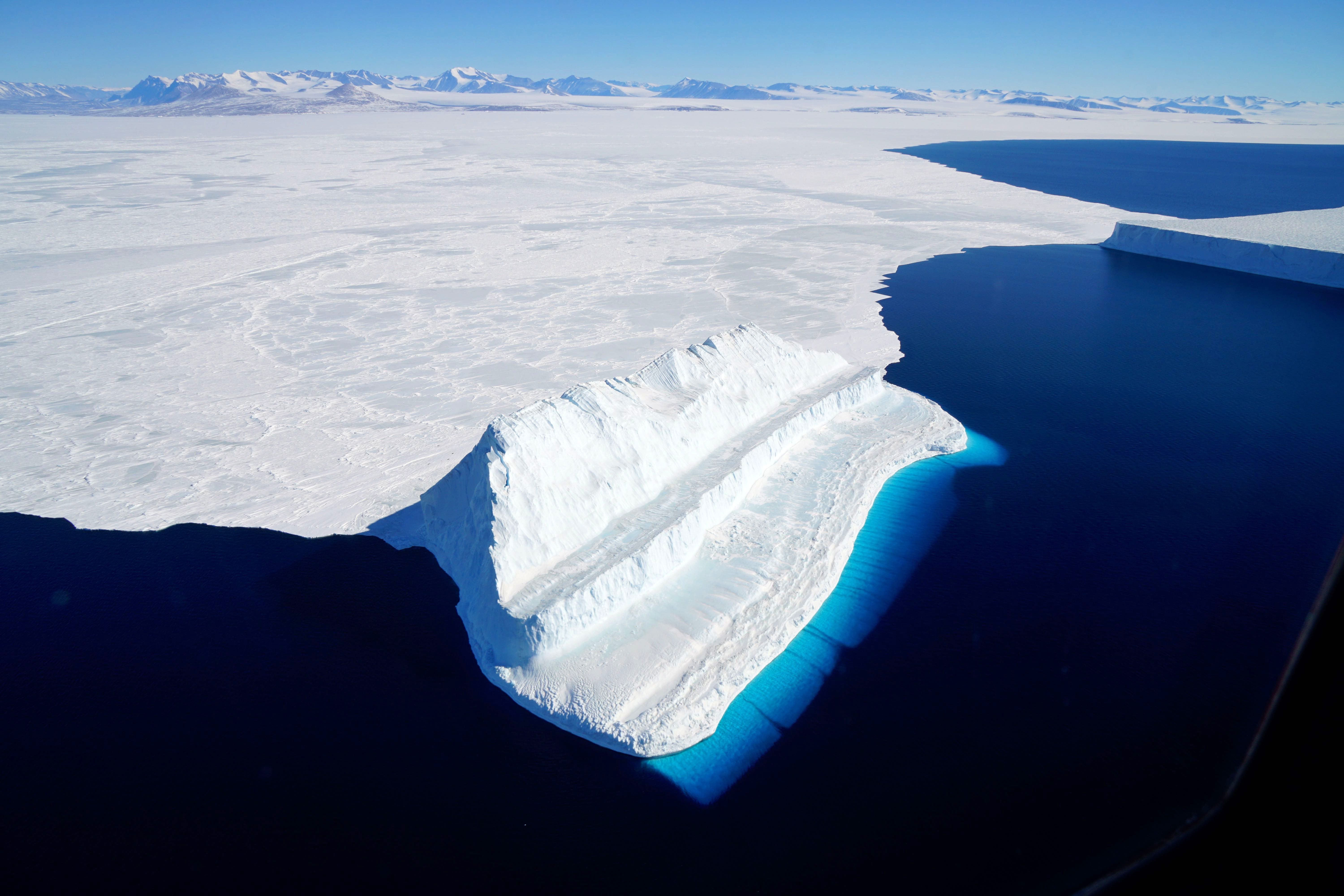
Image credit: NASA
Multiple times in Earth's past, our planet has frozen over from pole-to-pole for millions of years in so-called Snowball Earth events. The most recent of these events occurred ~700 million years ago, alongside other landmark events like the Cambrian explosion and a rearrangement of the continents. I am interested in why these Snowball Earth events occurred, what processes determine their characteristics, and how to interpret the evidence they leave behind in the rock record.
Earth's Geologic Carbon Cycle
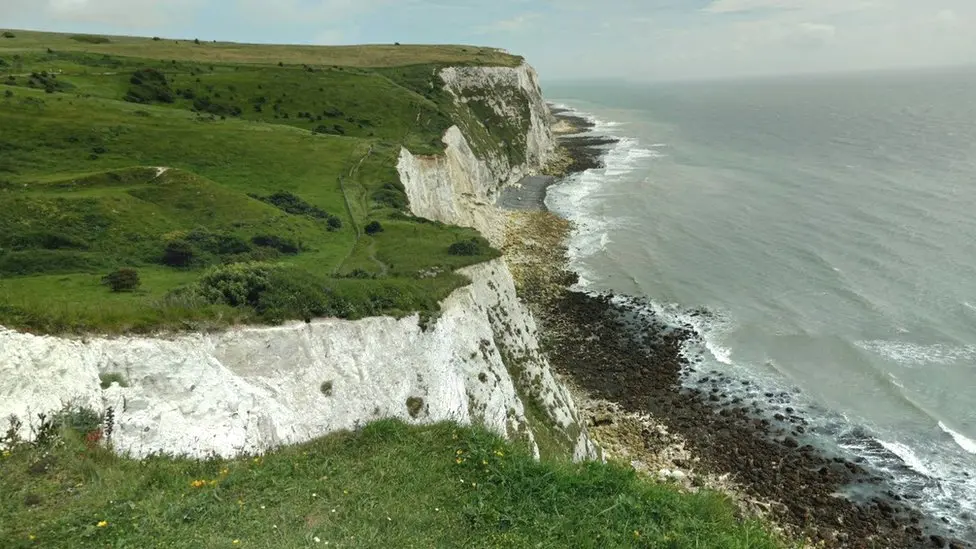
Image credit: BBC
Current consensus suggests that Earth has a built-in thermostat provided by the geologic carbon cycle. Through feedbacks in processes like weathering and carbonate deposition, Earth has maintained continuously habitable surface conditions for ~4 billion years, despite numerous perturbations. I am interested in testing the past efficacy of this feedback, understanding the processes and geologic properties that underpin it, and assessing the prospect of similar feedbacks on other planets.
Atmospheric Evolution of Mars
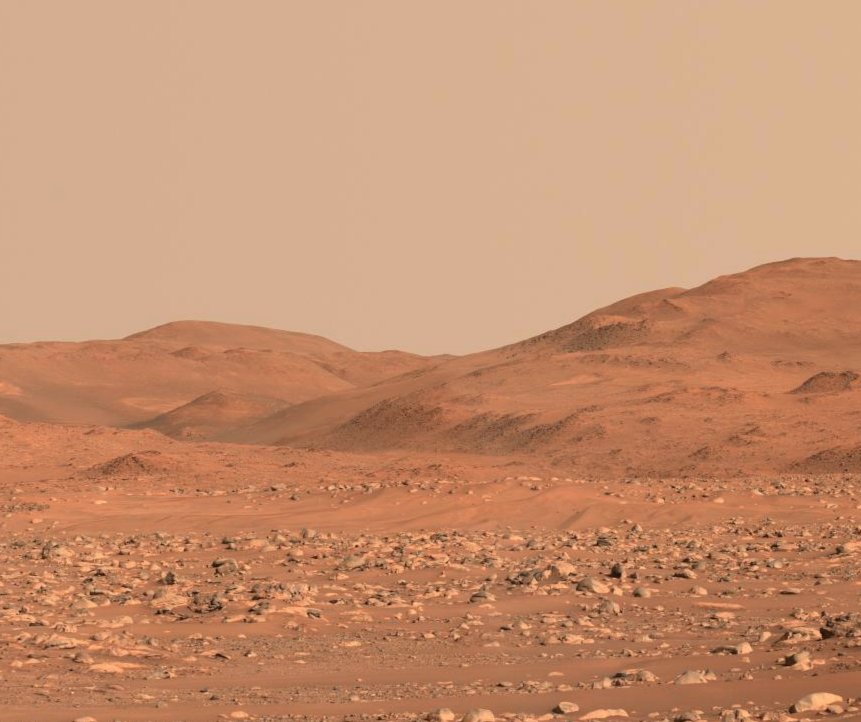
Image credit: NASA
Today, Mars is cold and dry, and has a thin atmosphere. In the past, water flowed on Mars's surface, implying warmer temperatures, a thicker atmosphere, and conditions that were habitable to Earth-like life. I am interested in what the surface conditions on ancient Mars were, how Mars evolved to its present-day state, and what planetary processes were responsible for this evolution.
Exoplanet Atmospheres and Interiors
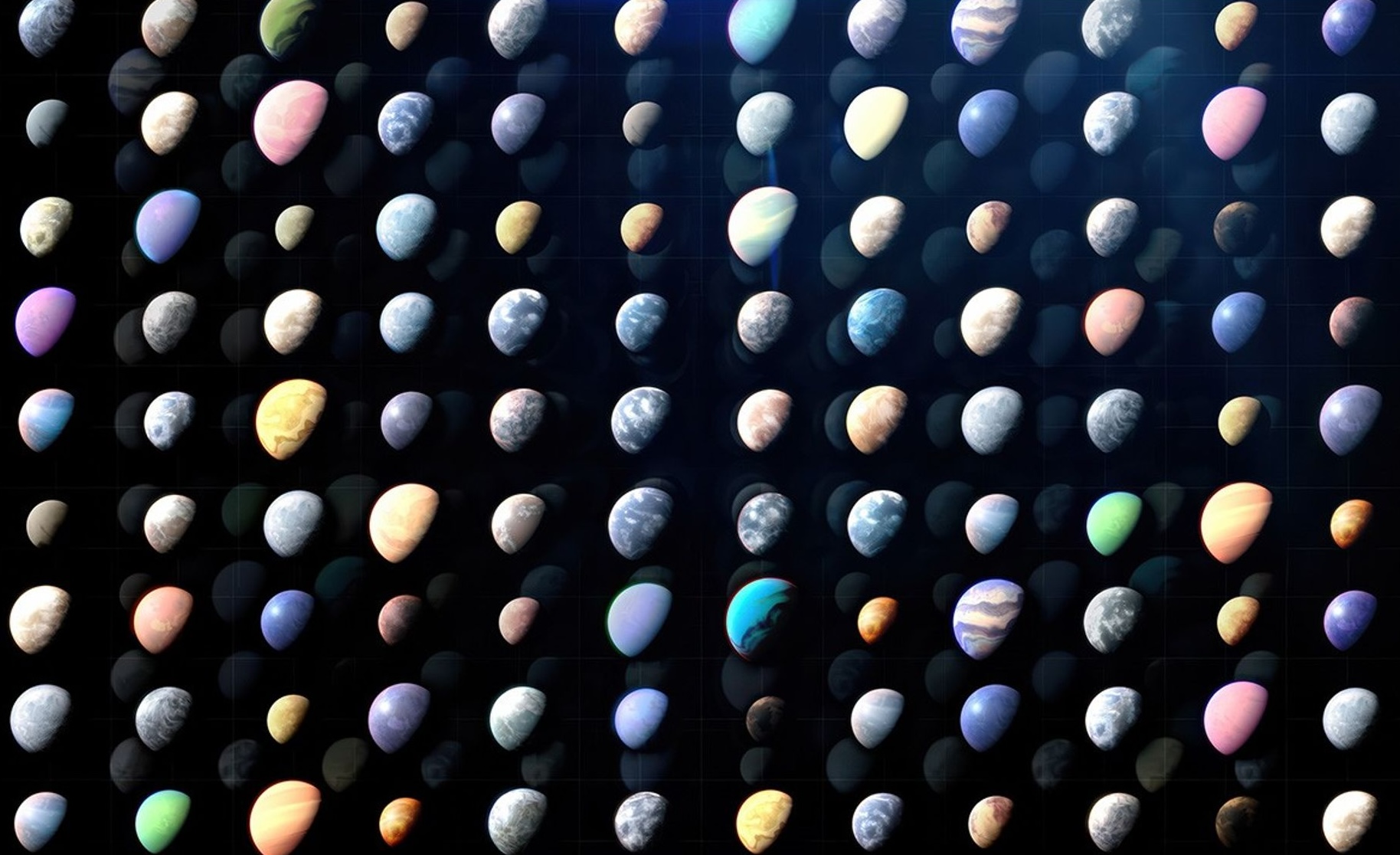
Image credit: NASA
The rapidly growing catalog of known exoplanets is taking planetary science in exciting new directions. I am interested in characterizing the atmospheres and interiors of these newly accessible exoplanets, and understanding the diversity of processes that shape them. I emphasize processes that link exoplanet interiors and atmospheres, like volcanism.
Planets as Complex Systems
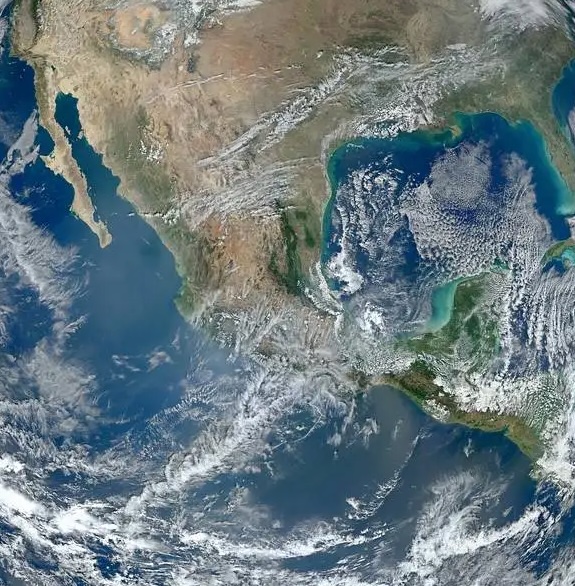
Image credit: NASA
Every planet is a complex system. Earth's global climate state is a property that emerges from the interaction of the many "spheres" that compose the Earth system: atmosphere, hydrosphere, lithosphere, and biosphere. I am interested in applying non-traditional mathematical frameworks from complex systems science to push boundaries and challenge how planetary systems are viewed.